The Nepali Optometrist

Your Stress Is Literally Blinding You — Here Is the Proof

Stress and Eyesight — How Chronic Stress Is Silently Affecting Your Vision
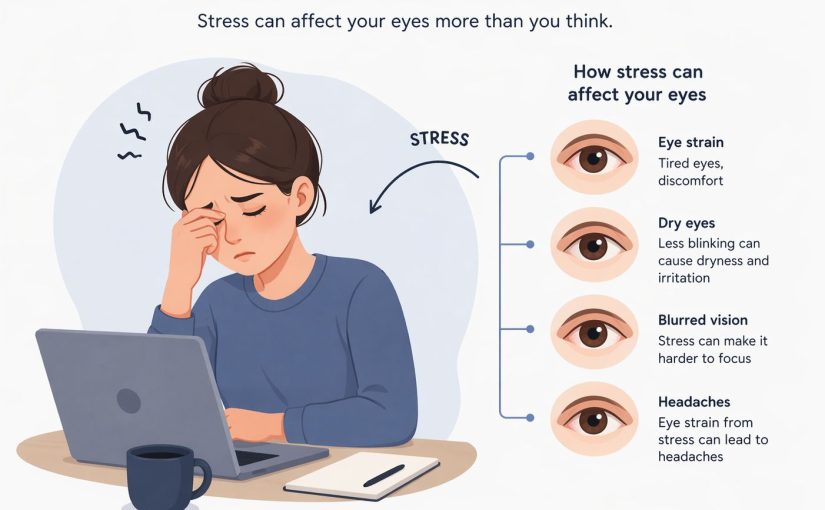
You know that stress gives you headaches. You know it disrupts your sleep and tightens your shoulders. But did you know that stress and eyesight are far more connected than most people ever realise? Chronic stress — the kind that lingers for weeks or months — can silently damage your vision in ways that are easy to miss until the problem becomes serious. If your eyes have been feeling tired, blurry, twitchy, or strained lately, stress might be the hidden culprit behind it all.


How Stress and Eyesight Are Connected

When your body experiences stress, it triggers the well-known fight-or-flight response. Your brain sends a surge of stress hormones — primarily cortisol and adrenaline — rushing through your body. Your heart rate increases, your muscles tighten, and your pupils dilate to let in more light so you can react quickly to perceived danger.

This response is perfectly healthy in short bursts. The problem begins when stress becomes chronic. When your body stays in this heightened state for days, weeks, or months, every system in your body pays a price — including your eyes. The relationship between stress and eyesight is real, scientifically documented, and more serious than most people give it credit for.


7 Ways Stress Directly Affects Your Eyesight

1. Blurry Vision One of the most common connections between stress and eyesight is blurry vision. When stress hormones flood your body, the tiny muscles that control your eye’s lens go into a state of tension. These muscles struggle to focus properly, causing objects to appear blurry or out of focus. Many people who experience sudden blurry vision during stressful periods assume they need a new prescription — but often the real cause is stress itself.

2. Eye Twitching Have you ever noticed your eyelid twitching uncontrollably during a particularly stressful week? This phenomenon — known medically as myokymia — is one of the most direct ways stress and eyesight interact. Stress depletes magnesium levels in the body and disrupts the nervous system, causing the delicate muscles around the eye to spasm involuntarily. While harmless in most cases, persistent eye twitching is your body’s clear signal that it is under too much pressure.

3. Eye Strain and Fatigue Stress makes you tense — and that tension extends to the muscles around your eyes. When these muscles remain contracted for long periods, eye strain sets in. Your eyes feel heavy, tired, and uncomfortable even without excessive screen use. The connection between stress and eyesight becomes especially clear here because eye strain from stress feels different from regular screen fatigue — it lingers even after rest.

4. Increased Sensitivity to Light Chronic stress keeps your pupils in a state of mild dilation. This means more light enters your eye than usual, making you more sensitive to bright lights, sunlight, and screens. Many people under chronic stress report that lights seem harsher and more uncomfortable than before — and this is a direct result of the stress and eyesight connection at work.

5. Tunnel Vision and Visual Disturbances During acute stress or anxiety attacks, some people experience a temporary narrowing of their visual field — commonly known as tunnel vision. This happens because stress hormones cause blood vessels to constrict, reducing blood flow to the peripheral areas of the retina. Visual disturbances such as flashing lights, floaters, or wavy lines can also occur during high stress periods.

6. Dry Eyes Stress disrupts the balance of your autonomic nervous system — the system that regulates automatic body functions including tear production. When this balance is thrown off, your eyes produce fewer tears, leading to dryness, irritation, and a gritty uncomfortable feeling. The link between stress and eyesight through dry eye syndrome is particularly common among people who work long hours under pressure.

7. Worsening of Existing Eye Conditions If you already have an eye condition such as glaucoma, dry eye disease, or diabetic retinopathy, chronic stress can make it significantly worse. Studies have shown that elevated cortisol levels increase intraocular pressure — the pressure inside the eye — which is a primary risk factor for glaucoma. Managing stress is therefore not just about comfort but about actively protecting your long-term vision.


The Cortisol Connection — Why Stress Hormones Are Bad for Your Eyes

Cortisol is your body’s primary stress hormone and the main bridge between stress and eyesight damage. In healthy amounts cortisol is essential — it regulates inflammation, blood sugar, and the sleep-wake cycle. But chronically elevated cortisol is destructive.

High cortisol levels over time cause oxidative stress throughout the body, including in the delicate tissues of the eye. The retina — the light-sensitive layer at the back of your eye — is particularly vulnerable to oxidative damage. This is why people who experience prolonged periods of high stress sometimes notice a gradual decline in the sharpness and clarity of their vision even without any diagnosed eye condition.


How to Protect Your Eyesight from Stress

The good news is that the connection between stress and eyesight works both ways — when you reduce stress, your eyes recover. Here are the most effective ways to protect your vision from stress-related damage.

Practice daily relaxation techniques. Even ten minutes of deep breathing, meditation, or yoga each day significantly lowers cortisol levels and relaxes the muscles around your eyes.

Follow the 20-20-20 rule. Every twenty minutes of screen time, look at something twenty feet away for twenty seconds. This simple habit releases eye muscle tension and reduces stress-related eye strain dramatically.

Eat for your eyes and your nerves. Magnesium-rich foods like spinach, almonds, and dark chocolate reduce eye twitching and calm the nervous system. Omega-3 fatty acids from fish and walnuts protect the retina from oxidative stress damage.

Prioritise quality sleep. Your eyes repair and regenerate during sleep. Chronic sleep deprivation caused by stress is one of the fastest ways to accelerate vision problems. Aim for seven to eight hours every night.

Limit caffeine and alcohol. Both substances elevate cortisol and increase eye pressure — exactly what you do not want when stress and eyesight are already at odds.

Take regular breaks from screens. Blue light from screens combined with stress is a particularly damaging combination for your eyes. Use blue light filtering glasses during long work sessions.


When to See a Doctor

While most stress-related vision symptoms are temporary and reversible, some warning signs should never be ignored. See an eye doctor immediately if you experience sudden vision loss, severe eye pain, persistent floaters or flashing lights, or double vision. These could indicate a serious condition that requires urgent attention beyond stress management.


Final Thoughts

The connection between stress and eyesight is undeniable and deeply important. Your eyes are not isolated organs — they are deeply connected to your nervous system, your hormones, and your overall wellbeing. Every time you feel overwhelmed, anxious, or burned out, your eyes feel it too. The best thing you can do for your vision is not just to eat well and visit your eye doctor regularly — it is also to slow down, breathe deeply, and give your mind and body the rest they are desperately asking for. Take care of your stress, and your eyesight will thank you for it.
 

6 Eye Health Nutrients That Protect Your Vision for Life

Feed Your Eyes: The Essential Nutrients for Lifelong Vision

Your eyes are one of the most complex organs in your body — and like every organ, they thrive on the right fuel. Most people think eye care means getting a prescription or limiting screen time. But what you eat plays an equally powerful role in protecting your vision, slowing age-related decline, and keeping your eyes comfortable every single day. Here are the most important nutrients for eye health and exactly where to find them.


Beta-Carotene & Vitamin A — The Night Vision Nutrient

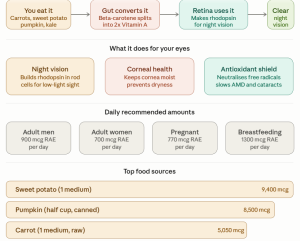
Beta-carotene is the pigment that gives carrots, sweet potatoes, and mangoes their vivid orange colour. Your body converts it into Vitamin A, which is essential for producing rhodopsin — a pigment in your retina that allows you to see in low-light conditions. Without enough Vitamin A, night blindness can develop, and in severe cases, the cornea can begin to deteriorate. Beyond vision, Vitamin A keeps the surface of your eye moist and healthy, acting as a protective barrier against infections. Include carrots, sweet potato, pumpkin, papaya, and dark leafy greens in your meals regularly to keep your Vitamin A levels steady.


Lutein & Zeaxanthin — The Macula’s Bodyguards

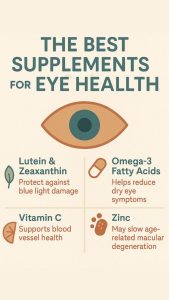
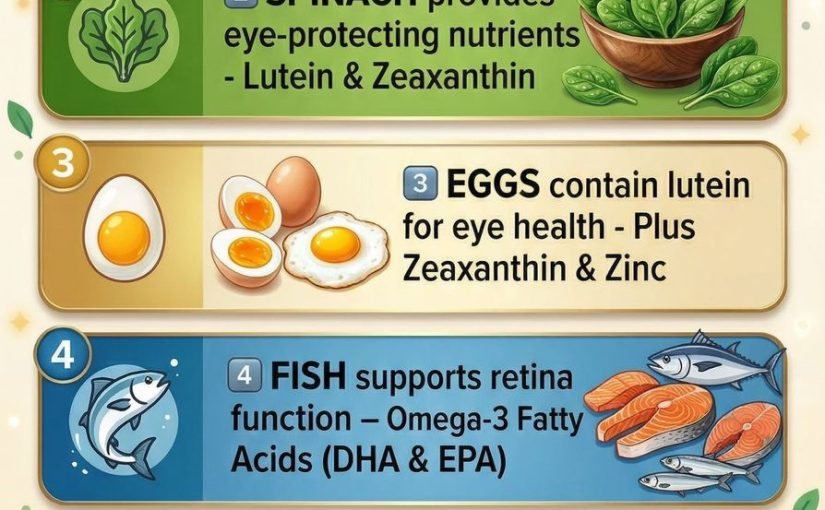
These two carotenoids are found in high concentrations in the macula — the central part of your retina responsible for sharp, detailed vision. Think of lutein and zeaxanthin as natural sunglasses built right into your eye. They filter harmful high-energy blue light and neutralise free radicals before they can damage delicate retinal cells. Research, including the landmark AREDS2 study, has shown that diets rich in these nutrients significantly reduce the risk of age-related macular degeneration (AMD) — one of the leading causes of vision loss in adults over 50. The best sources are spinach, kale, egg yolks, broccoli, and corn. Cooking spinach lightly actually increases the bioavailability of lutein, so a quick sauté is more effective than eating it raw.


Omega-3 Fatty Acids — Structural Support for the Retina

The retina is unusually rich in a type of omega-3 fat called DHA (docosahexaenoic acid). DHA is a core building block of retinal cell membranes, helping them function and communicate effectively. Omega-3s also reduce inflammation throughout the body, which is closely linked to dry eye disease — a condition where the eyes don’t produce enough quality tears, causing irritation, blurry vision, and discomfort. Studies consistently show that people who consume more omega-3s have a significantly lower risk of chronic dry eye. Fatty fish like salmon, mackerel, and sardines are the richest sources. For plant-based options, flaxseeds, chia seeds, hemp seeds, and walnuts provide ALA, which the body can partially convert to DHA.


Vitamin C — The Antioxidant Shield

Your eyes are highly exposed to light and oxygen — two things that generate oxidative stress and free radical damage. Vitamin C is one of the most powerful antioxidants your body uses to combat this. It’s found in very high concentrations in the lens of the eye, where it helps slow the formation of cataracts — the clouding of the lens that causes blurry vision, often requiring surgery later in life. Research suggests that people with higher Vitamin C intake have a substantially lower risk of developing cataracts. Bell peppers (especially red ones) are surprisingly the richest source of Vitamin C — even more than oranges. Other great options include strawberries, guava, kiwi, and amla (Indian gooseberry), which is exceptionally potent.


Vitamin E — The Cell Membrane Protector

Vitamin E works synergistically with Vitamin C to provide layered antioxidant defence. It’s fat-soluble, meaning it integrates into the fatty cell membranes of eye tissues and protects them from oxidative damage. Combined with other nutrients in the AREDS2 formula, Vitamin E has been shown to slow the progression of intermediate AMD. It also supports healthy blood vessel function in and around the eye. Almonds, sunflower seeds, hazelnuts, avocado, and extra virgin olive oil are all excellent sources. Because Vitamin E is fat-soluble, pairing it with a healthy fat source ensures proper absorption.


Zinc — The Delivery System

Zinc might be the most underrated eye nutrient. It plays a critical role in transporting Vitamin A from your liver to your retina, where it’s used to produce melanin — a pigment that protects the eyes from UV damage. The retina and choroid (the vascular layer behind the retina) contain some of the highest zinc concentrations in the entire body. Low zinc levels have been associated with poor night vision and an increased risk of AMD. Oysters are by far the richest food source of zinc, but chickpeas, pumpkin seeds, beef, and cashews are also excellent options, especially for those following a plant-based diet.


Putting It All Together

You don’t need to overhaul your entire diet to protect your eyes. A few simple habits make a big difference: add a handful of spinach to your meals, snack on almonds, include fatty fish twice a week, and pile your plate with colourful fruits and vegetables. One important tip — since many eye-protective nutrients like lutein, Vitamin E, and beta-carotene are fat-soluble, eating them with a source of healthy fat (like olive oil, avocado, or nuts) dramatically improves absorption.

Your eyes work hard every waking moment. Give them the nutrition they deserve — and they’ll reward you with clear, comfortable vision for decades to come.


The beauty of eye nutrition is that it doesn’t require expensive supplements or complicated meal plans. Nature has already packed everything your eyes need into whole, colourful, delicious foods that are available in every market and kitchen. A handful of spinach here, a roasted sweet potato there, a piece of salmon twice a week — these small, consistent choices quietly build a powerful shield around your vision over months and years. The damage that leads to cataracts, macular degeneration, and night blindness doesn’t happen overnight, and neither does the protection against it. Every meal is either an investment in your eyesight or a missed opportunity. The good news is that it is never too late to start. Whether you are in your twenties building a foundation for lifelong vision, or in your fifties looking to slow age-related decline, the nutrients covered in this article work at every stage of life. So the next time you fill your plate, think of it as more than just a meal — think of it as medicine for your eyes. Eat the rainbow, embrace the fats, and let food be your first line of defence for a lifetime of clear, vibrant vision.

Eye Exams by Age — The Complete Schedule Every Person Needs to Follow


Regular eye exams are a cornerstone of lifelong vision health, and understanding how often you should get them at different ages can empower you to stay ahead of potential issues before they escalate into serious problems. The frequency of eye exams isn’t one-size-fits-all—it evolves with your age, lifestyle, risk factors, and family history, as eyes undergo profound changes from infancy through seniority.

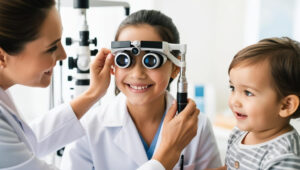
For infants and toddlers up to age 3, the American Optometric Association (AOA) recommends an initial comprehensive eye exam at 6 to 12 months, followed by another around age 3; this early screening detects congenital issues like lazy eye (amblyopia), congenital cataracts, or refractive errors that could impair development if missed, since a child’s visual system matures rapidly in these formative years, wiring 80% of brain-eye connections by age 5.

Healthy kids aged 3 to 5 should have at least one more checkup to ensure proper alignment, tracking, and focus, catching problems like strabismus (misaligned eyes) that affect depth perception and learning readiness.

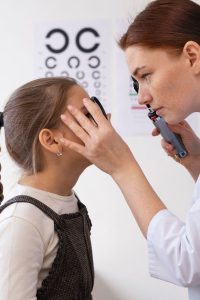
School-aged children from 6 to 18 need exams every 1 to 2 years, ideally annually before starting school or if teachers report issues like difficulty reading the board; this phase coincides with heavy screen use, near-work demands from homework, and growth spurts that spike myopia (nearsightedness) rates—studies show 1 in 4 kids now develop myopia by adolescence, partly from reduced outdoor time, so optometrists monitor progression to prevent high myopia’s later risks like retinal detachment.


For young adults aged 20 to 39, who are often healthy with stable vision, baseline exams every 2 years suffice unless symptoms like headaches, blurred distance vision, or eye strain from 8+ hours of digital devices emerge; this demographic faces “digital eye strain” or computer vision syndrome, where uncorrected presbyopia precursors or dry eyes from low blink rates (down to 5-7 per minute vs. normal 15-20) can mimic fatigue, so exams assess for early astigmatism or hyperopia while prescribing blue-light filters or 20-20-20 breaks (every 20 minutes, look 20 feet away for 20 seconds). If you’re in a high-risk group—like a family history of glaucoma, diabetes, or working in dusty environments like construction in Nepal’s Terai region—annual checks are wiser, as silent thieves like early glaucoma (with no symptoms until 50% vision loss) can start young.


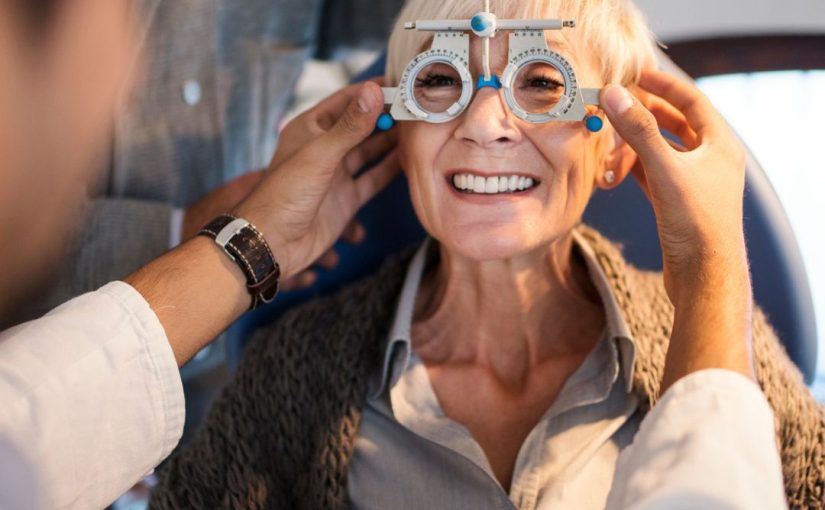
Entering your 40s marks a pivotal shift: presbyopia, the age-related loss of near focus due to lens stiffening, hits nearly everyone by 45, making reading glasses or progressives essential; the AOA advises exams every 1 to 2 years here to fine-tune prescriptions, detect dry eye from hormonal changes (especially in women perimenopausally), or spot subtle cataracts forming from UV exposure accumulated over decades—think of lifelong farmers or motorbike commuters without sunglasses.

By ages 40-54, systemic conditions creep in: hypertension affects 30% globally, damaging retinal vessels (hypertensive retinopathy), while diabetes (prevalent in South Asia at 10-15%) demands yearly dilated exams to catch non-proliferative changes before hemorrhages blind you. Lifestyles matter too—prolonged smartphone scrolling accelerates presbyopia onset, and smokers face 2-4x higher cataract risk, so tailor frequency: annual if at risk, biennial otherwise.

The 55-64 bracket intensifies vigilance; macular degeneration (AMD), the leading cause of blindness in this age, often begins asymptomatically with drusen deposits, while glaucoma prevalence jumps to 2-3%, silently eroding peripheral vision via optic nerve damage—elevated intraocular pressure (IOP) above 21 mmHg is a red flag, but normal-tension types lurk too. Annual comprehensive exams with tonometry, visual fields, and fundus photography become standard, especially post-60, when cataract surgery demand peaks (cloudy lenses reduce contrast by 50%).

For seniors 65 and older, yearly visits are non-negotiable: 1 in 3 have cataracts needing extraction, AMD affects 10-15% with wet forms bleeding unpredictably, and glaucoma hits 5-10%; plus, polypharmacy (multiple meds) causes side effects like blurred vision from antihistamines or blood pressure drugs. Frail elders risk falls from undiagnosed field loss, so exams include mobility assessments and low-vision aids like magnifiers.

Special populations override age norms: diabetics get annual dilated exams from diagnosis; high myopes (> -6.00D) or contact lens wearers need yearly checks for corneal warping (keratoconus); those with migraines, autoimmune diseases like rheumatoid arthritis, or even COVID-19 histories (linked to conjunctivitis or neuropathies) warrant more frequent monitoring.


In Nepal, where rural access lags and pollution in Butwal exacerbates allergies, cultural habits like rubbing eyes with unclean hands spread infections—aim for exams twice yearly if symptomatic.

Pregnancy alters needs too: hormonal dry eyes and gestational diabetes spike risks, so check at 1st trimester and postpartum. Why adhere? Early detection saves vision—glaucoma treatment halts progression 90% if caught soon, cataracts restore 20/40 vision post-surgery in 95% cases, and myopia control (atropine drops, orthokeratology) curbs elongation by 50% in kids. Skipping exams, courts regret: a 2023 WHO report notes 2.2 billion people have preventable vision impairment, mostly from uncorrected refractive errors or unmanaged diseases.

Make it routine like dental visits—book via apps, bring glasses/contacts, note symptoms/family history. For kids/teens, gamify with vision charts; adults, track changes via home Amsler grids for AMD. Consult your optometrist for personalized schedules, as guidelines from AOA, AAO, or Nepal Optometric Association align but flex for individuals. Prioritizing these checkups isn’t just maintenance—it’s investing in clearer sunrises and joyful festivals without strain.

10 Mind-Blowing Facts About Eyes You Probably Didn’t Know

1. Focus

Our eyes can adjust their focus more rapidly than any camera lens. In just a few milliseconds, the eyes can shift focus between different objects, quicker than the latest DSLR or smartphone camera. Whenever we look from a near distance to a far distance, let’s say from a mobile phone to a wall clock, our eyes are making quick muscular adjustments at lightning speed. This remarkable swiftness and precision are due to the ciliary muscles, which regulate the lens within our eyes.


2. Image Formation

The image projected onto the retina is actually upside down and flipped sideways. But the brain instantly corrects it with the help of the visual cortex, so we see the world exactly as it is. Vision isn’t just about the eyes; it’s a brain-powered process.


3.  The Eye Is the Fastest Healing Organ

When the cornea is scratched or has minor injuries, with the help of proper care, it can heal within 24-48 hours of the injury because of its high cell turnover rate and the absence of blood vessels.


4. Iris vs Fingerprint

Because of the high and distinct features of our irises with over 256 characteristics, compared to a fingerprint, which has 40 in it, iris scanning is used in high-security jobs and mobile phones as well.


5. Blinking

Did you know you

15–20 times every minute? That’s over 20,000 blinks a day! Every blink keeps your eyes clean, nourished, and healthy—your eyes are working hard, even when you don’t notice.


6. Your eyes have a built-in zoom

The human eye can adjust focus from about 25 cm to infinity, almost like a camera lens.


7. Your eyes can get sunburned

Yes! UV rays can damage the cornea, so sunglasses aren’t just stylish—they’re protective.


8. Eye muscles are super strong

Your eyes move over 100,000 times a day, which is a lot of tiny workouts for your eye muscles.


9. Your eyes communicate emotion

Pupils dilate when you see something exciting or interesting, which is your body’s subconscious reaction.


10. Babies see the world in black and white at first

Newborns can’t see colors clearly—they mostly perceive shades of gray. By around 2–3 months, their eyes and brain develop enough to start seeing bright colors like red, green, and blue.


Bonus Tip for Your Followers:
Regular eye exams aren’t just about checking vision—they help detect early signs of diseases like diabetes, high blood pressure, and even brain tumors. Take care of your eyes—they’re the only pair you’ve got!

The Journey Of Optometry

Introduction

Optometry is an essential healthcare profession that focuses on diagnosing, treating, and managing eye diseases and vision problems. Over the centuries, optometry has evolved from basic vision correction practices to a highly specialized field with advanced diagnostic techniques. This article explores the origins of optometry, its historical developments, and how it has shaped modern eye care.

The Origins of Optometry

The history of optometry dates back thousands of years, with evidence of early vision correction techniques found in ancient civilizations. The first recorded use of lenses for vision improvement can be traced to the Egyptian and Roman eras, where polished crystals were used to magnify objects.

Ancient Civilizations and Vision Correction

  • Egyptians and Mesopotamians: Early references to vision problems and rudimentary treatments can be found in ancient Egyptian medical texts, such as the Ebers Papyrus (circa 1500 BCE), which discusses eye conditions and their remedies.
  • Greeks and Romans: The Greek philosopher Aristotle (384–322 BCE) studied the eye’s anatomy, while the Roman philosopher Seneca (4 BCE–65 CE) is believed to have used a glass globe filled with water to magnify text.
  • Chinese Civilization: Ancient Chinese medicine included eye exercises and acupuncture for vision improvement, indicating early awareness of eye health.

The Development of Spectacles

The true beginning of practical vision correction started with the invention of spectacles in the late 13th century.

  • The First Spectacles: Around 1286, Italian craftsmen developed the first wearable glasses. These early spectacles were convex lenses used to correct presbyopia (age-related farsightedness).
  • Advancements in Lens Design: By the 15th century, concave lenses were introduced to correct myopia (nearsightedness), marking a significant milestone in vision correction.
  • Printing Revolution and Demand for Glasses: The invention of the printing press by Johannes Gutenberg in 1440 increased literacy, leading to a higher demand for spectacles.

The Birth of Optometry as a Profession

Optometry as a distinct profession began to emerge in the 17th and 18th centuries, as lens-making became more sophisticated and scientific understanding of vision improved.

  • Johannes Kepler (1604): The German astronomer and physicist published “Ad Vitellionem Paralipomena,” explaining how convex and concave lenses correct vision.
  • Isaac Newton (1704): His work on light and optics contributed to the understanding of refraction, further advancing vision science.
  • Early Opticians: By the 18th century, opticians were skilled craftsmen who not only made glasses but also conducted simple eye tests to determine prescriptions.

The Establishment of Modern Optometry

The 19th and 20th centuries marked the transition from opticians to professional optometrists, with formal education and regulations shaping the profession.

Key Developments in Modern Optometry

  • 1847: The first known refraction test using a trial lens set was performed by George Biddell Airy, improving prescription accuracy.
  • 1864: The first phoropter (an instrument used to measure refractive errors) was developed.
  • 1890s: The term “optometry” was first used, distinguishing it from ophthalmology and opticianry.
  • 1898: The American Optometric Association (AOA) was founded to establish professional standards and education.
  • 1910: The first university optometry courses were introduced, leading to formal training and licensing requirements.

The Evolution of Optometry in the 20th Century

With the rapid advancements in technology, optometry expanded beyond vision correction to include ocular disease management.

  • Contact Lenses (1930s–1950s): The development of scleral and corneal lenses revolutionized vision correction.
  • Automated Refraction (1970s): Computerized eye testing improved diagnostic accuracy.
  • Laser Eye Surgery (1980s–1990s): Procedures like LASIK provided alternative solutions to glasses and contacts.
  • Optometrists as Primary Eye Care Providers (2000s): Many countries expanded the scope of practice for optometrists, allowing them to diagnose and manage eye diseases like glaucoma and diabetic retinopathy.

Modern Optometry: The Present and Future

Today, optometry is a well-established profession worldwide, integrating advanced technology, research, and patient-centered care.

What Optometrists Do Today

Modern optometrists do much more than just prescribe glasses and contact lenses. Their role has expanded significantly to include:

  • Comprehensive Eye Exams: Assessing vision and detecting eye diseases like cataracts, glaucoma, and macular degeneration.
  • Specialized Contact Lens Fitting: Including toric lenses for astigmatism and scleral lenses for keratoconus.
  • Management of Eye Diseases: Optometrists diagnose and manage conditions like diabetic retinopathy, dry eye syndrome, and age-related macular degeneration.
  • Pediatric and Geriatric Optometry: Providing specialized care for children’s developing vision and age-related eye issues in the elderly.
  • Low Vision and Rehabilitation Services: Helping visually impaired patients maximize their remaining vision through assistive devices and therapy.
  • Myopia Control and Vision Therapy: Using advanced techniques like orthokeratology (Ortho-K) to slow the progression of nearsightedness in children.
  • Tele-optometry: Offering remote eye exams and consultations for patients in underserved areas.

Innovations in Optometry

  • Artificial Intelligence (AI) in Eye Exams: AI-powered tools assist in detecting eye diseases at an early stage.
  • 3D Printed Glasses and Lenses: Custom eyewear manufacturing has become more accessible and affordable.
  • Gene Therapy and Bionic Eyes: Research in vision restoration is paving the way for revolutionary treatments for blindness.
  • Advanced Imaging Technologies: Optical Coherence Tomography (OCT) and fundus photography help in the early diagnosis of retinal diseases.

The Future of Optometry

The future of optometry is promising, with continued advancements in technology and a greater emphasis on preventive care. Some key trends shaping the future include:

  • Personalized Eye Care: Tailoring treatments based on genetics and lifestyle factors.
  • Expansion of Scope of Practice: In many regions, optometrists are gaining more authority to prescribe medications and perform minor surgical procedures.
  • Integration with General Healthcare: Optometrists are becoming more involved in systemic disease detection, such as identifying diabetes and hypertension through eye exams.
  • Sustainable and Eco-friendly Practices: The industry is moving towards biodegradable contact lenses and recyclable eyewear materials.

Conclusion

Optometry has come a long way from ancient vision correction techniques to the modern, high-tech profession it is today. As technology continues to advance, the field of optometry will play an even greater role in preventing and treating vision disorders worldwide. The journey from early lens-makers to highly skilled optometrists showcases the incredible impact of eye care on society. With continued innovation, optometrists will remain at the forefront of ensuring clear vision and healthier eyes for future generations.


optoday

6 Signs You Need an Eye Exam ASAP!

Eyes are your window to the world, yet they are often overlooked when it comes to regular health check-ups. Many people assume their vision is fine until they start facing issues that affect their daily lives. However, vision problems and eye diseases can develop gradually, often without obvious symptoms at first.

A routine eye exam is not just about checking vision—it also helps in detecting serious health issues such as diabetes, high blood pressure, and even neurological conditions. If you’re experiencing any of the following signs, it’s time to book an eye exam before it’s too late!

1. Blurry or Distorted Vision

One of the most common signs that you need an eye exam is blurry or distorted vision. If you struggle to see objects, whether up close or at a distance, your vision may be deteriorating.

Possible Causes:

  • Refractive errors (nearsightedness, farsightedness, astigmatism)
  • Cataracts (clouding of the eye’s natural lens)
  • Macular degeneration (age-related loss of central vision)
  • Diabetes-related eye problems

When to See an Optometrist?

  • When you can’t read small text like you used to
  • If distant objects appear blurry
  • Vision changes suddenly or gradually over time

Ignoring blurry vision can lead to increased eye strain, headaches, and worsening eyesight. An eye exam can determine the cause and provide the necessary prescription for glasses, contact lenses, or treatment.


2. Frequent Headaches or Eye Strain

Do you often experience headaches or discomfort around your eyes? This could be a sign that your eyes are overworking to compensate for an undiagnosed vision problem.

Why Does This Happen?

  • Uncorrected vision problems force your eyes to strain, leading to headaches.
  • Digital eye strain from excessive screen time causes discomfort.
  • Poor lighting conditions can make your eyes work harder than necessary.

What You Can Do:

  • Follow the 20-20-20 rule (every 20 minutes, look 20 feet away for 20 seconds).
  • Alter the screen’s brightness and contrast to a level that feels comfortable.
  • Use blue-light-blocking glasses if you spend long hours on screens.

If headaches and eye strain persist, an optometrist can check for undiagnosed vision problems and suggest corrective measures.


3. Sensitivity to Light (Photophobia)

If your eyes feel uncomfortable or painful when exposed to bright light, it could indicate an underlying eye issue.

Possible Causes:

  • Dry eyes (lack of tear production)
  • Corneal issues (such as keratitis or corneal scratches)
  • Migraines
  • Eye infections (like conjunctivitis)

How to Reduce Light Sensitivity?

  • Wear UV-protective sunglasses when outdoors.
  • Reduce exposure to harsh indoor lighting.
  • Take breaks from digital screens.
  • Use artificial tears for dry eyes.

If the sensitivity worsens or is accompanied by eye pain or redness, visit an optometrist immediately.


4. Difficulty Seeing at Night or Driving in Low Light

Do you struggle to see clearly when driving at night? If you find yourself squinting, seeing halos around lights, or feeling unsafe while driving in dim conditions, your vision may be declining.

Why Does This Happen?

  • Cataracts can cause cloudy or reduced night vision.
  • Vitamin A deficiency affects night vision.
  • Retinal diseases like retinitis pigmentosa can impair low-light vision.

Signs to Watch For:

  • Difficulty reading road signs at night
  • Halos or glare from headlights
  • Trouble adjusting to sudden brightness changes

An optometrist can assess your night vision and recommend corrective lenses, lifestyle changes, or medical treatment if necessary.


5. Frequent Eye Rubbing or Dryness

Do you frequently rub your eyes due to itching, discomfort, or dryness? This could be more than just a temporary irritation—it may indicate an eye health issue.

Possible Causes:

  • Dry Eye Syndrome (due to insufficient tears)
  • Allergies (causing itchiness and redness)
  • Keratoconus (a corneal condition that can worsen with rubbing)

How to Prevent It?

  • Use preservative-free artificial tears for lubrication.
  • Refrain from rubbing your eyes, as this may exacerbate irritation.
  • Stay hydrated and reduce screen time.

If the discomfort continues, an eye exam can help diagnose and treat the underlying cause.

6. Double Vision or Seeing Shadows Around Objects

If you suddenly start seeing double images (diplopia) or shadows around objects, it’s a serious red flag. This can be temporary or persistent, but either way, it requires urgent attention.

Possible Causes of Double Vision:

Refractive Errors – Incorrect prescription glasses or contact lenses.
Cataracts – Clouding of the eye’s lens can cause double vision in one eye.
Corneal Issues – Scars, infections, or keratoconus can lead to overlapping images.
Neurological Conditions – Conditions like stroke, brain tumors, or multiple sclerosis (MS) can affect eye coordination.
Diabetes & High Blood Pressure – Can cause nerve damage leading to double vision.

What to Do If You Experience Double Vision?

  • If double vision persists or appears suddenly, seek urgent medical attention.
  • Avoid driving or operating machinery until an eye doctor evaluates your condition.
  • Get an eye exam to rule out serious health risks.

Tip: If double vision only happens when you’re tired or staring at screens, it could be due to eye fatigue or misalignment—but it still needs to be checked.


Why Regular Eye Exams Are Important?

Even if you don’t experience these symptoms, a comprehensive eye exam every year or two is crucial for maintaining eye health. Many eye diseases develop silently, without noticeable symptoms, until significant damage has occurred.

How Often Should You Get an Eye Exam?

Every 1-2 years if you have no vision problems
Every year if you wear glasses or contact lenses
Twice a year if you have diabetes, hypertension, or a family history of eye diseases

Regular check-ups can help detect glaucoma, cataracts, and retinal diseases early, preventing permanent vision loss.

How to Take Care of Your Eyes Daily?

To maintain optimal vision, follow these simple yet effective eye care habits:

1. Follow a Nutrient-Rich Diet

  • Eat leafy greens, carrots, fish, nuts, and citrus fruits for better eye health.
  • Omega-3 fatty acids in fish help prevent dry eyes.

2. Stay Hydrated

  • Dehydration can lead to dry and irritated eyes.
  • Drink at least 8 glasses of water daily.

3. Wear Proper Eyewear

  • Use sunglasses with UV protection outdoors.
  • If you work on screens, consider anti-glare glasses.

4. Practice Eye Exercises

  • Try palming, blinking exercises, and focusing techniques to reduce strain.

5. Get Enough Sleep

  • Your eyes need rest to recover—aim for 7-8 hours of sleep daily.


Final Thoughts: Prioritize Your Eye Health!

Your vision is irreplaceable—don’t wait until problems worsen! If you’re experiencing these signs, book an appointment with an optometrist today. Early detection saves vision and prevents serious complications.

Don’t ignore your eyes—protect your sight!
Share this article to spread awareness!

Would you like me to add FAQs or a call-to-action for booking an eye test? Let me know!

Importance Of Regular Eye Exam!

Our eyes help to see the world clearly with vivid colors. Regular eye examination is crucial because it provides vision correction with glasses and helps to discover any underlying eye conditions that might be slowly progressive or progressive over time.

Our eyes are often considered one of our most valuable senses, enabling us to experience and interact with the world. From reading and driving to appreciating the beauty of nature, healthy vision is critical to performing daily tasks. However, many individuals neglect the importance of regular eye exams, often only seeking help when problems arise. What many don’t realize is that routine eye examinations are not only important for maintaining good vision but also for overall health and well-being.

This article will explore the significance of regular eye exams, their benefits, and why people should prioritize them.

1. Early Detection of Vision Problems

Regular eye examinations are crucial for the early detection of various vision problems. Many eye conditions develop gradually over time, such as nearsightedness (myopia), farsightedness (hyperopia), and astigmatism. People often adapt to slight changes in their vision without realizing the severity of the problem. A comprehensive eye exam performed by an optometrist or ophthalmologist can identify these issues before they worsen, allowing for early intervention. This early detection is key to preserving optimal vision and preventing permanent damage.

2. Prevention and Management of Eye Diseases

Some eye diseases, such as glaucoma, cataracts, and age-related macular degeneration (AMD), often have no early symptoms, making them difficult to detect without regular eye exams. Glaucoma, for example, can cause gradual loss of peripheral vision and may lead to blindness if left untreated. A comprehensive eye exam can identify early signs of these diseases, enabling timely treatment to prevent further vision loss.

Cataracts, which cause clouding of the lens in the eye, typically develop slowly over time. Though cataract surgery is a highly effective treatment, early detection can help reduce complications and improve long-term outcomes. Similarly, age-related macular degeneration (AMD) affects the central vision and is a leading cause of vision loss in older adults. Regular eye exams can help catch AMD early, providing more options for managing the disease and slowing its progression.

3. Identifying Systemic Health Issues

Eye exams can also provide critical insight into a person’s overall health. The blood vessels in the eyes can reveal signs of systemic conditions such as diabetes, high blood pressure (hypertension), and even some types of cancer. For instance, diabetic retinopathy, a condition caused by high blood sugar levels, can lead to vision impairment and blindness. An eye exam can detect the early stages of diabetic retinopathy, allowing individuals to manage their blood sugar levels and prevent further damage.

Similarly, hypertension can cause changes to the blood vessels in the retina, leading to vision problems. An eye care professional can detect signs of hypertensive retinopathy, prompting individuals to seek treatment for their high blood pressure. Additionally, conditions like brain tumors or strokes can sometimes manifest in changes to the eye, which an optometrist or ophthalmologist might notice during an exam.

4. Enhancing Quality of Life

Good vision is essential for performing everyday tasks, and regular eye exams are key to ensuring that your vision remains clear and healthy. For individuals who rely on glasses or contact lenses, eye exams ensure that prescriptions remain up-to-date. Even slight vision changes can significantly impact an individual’s ability to read, drive, or use a computer. Routine exams help correct these changes, contributing to a better quality of life.

Moreover, regular eye exams can also help prevent visual fatigue and discomfort associated with conditions like digital eye strain. With the increasing use of screens in daily life, eye exams can assess whether adjustments to eyewear or lifestyle habits are needed to reduce strain on the eyes. Early detection of issues such as dry eyes or computer vision syndrome can lead to preventive strategies that minimize discomfort.

5. Screening for Pediatric Eye Conditions

Children, in particular, can benefit significantly from early eye exams. Many children may have vision problems that go unnoticed because they have not yet developed the ability to articulate what they are experiencing. Conditions like amblyopia (lazy eye), strabismus (crossed eyes), or refractive errors can develop during childhood, potentially leading to long-term vision problems if not addressed promptly.

Early eye exams can detect these conditions, enabling timely intervention to prevent further complications. Pediatric eye exams are typically recommended at various stages of a child’s development, including during infancy, at age three, and again before starting school. By identifying and treating vision issues early, children can have a better chance of achieving normal visual development, which is essential for their academic performance and overall well-being.

6. Preventing Accidents and Injuries

Many individuals don’t realize how much their vision affects their safety. Poor vision can increase the risk of accidents, whether it’s tripping over obstacles, struggling to read road signs, or misjudging distances while driving. Routine eye exams can identify vision deficiencies such as uncorrected refractive errors, poor depth perception, or poor night vision. By addressing these issues, individuals can improve their ability to navigate the world safely, reducing the likelihood of accidents and injuries.

In particular, older adults, who are at higher risk for vision-related accidents, benefit greatly from regular eye exams. Falls are one of the leading causes of injury in seniors, and visual impairment is a significant risk factor. By maintaining good vision, older adults can increase their independence and maintain their safety

7. Maintaining Vision Health in the Long Term

As we age, our risk of developing age-related eye conditions increases. For individuals over the age of 40, it becomes especially important to schedule regular eye exams to monitor for vision changes and detect diseases that are more common in older adults. Conditions such as presbyopia (difficulty focusing on near objects), glaucoma, cataracts, and AMD are all more prevalent in older individuals. Regular eye exams help track these conditions and ensure that they are managed properly, helping to preserve vision well into the later years of life.

8. Peace of Mind

Finally, regular eye exams offer peace of mind. Knowing that your eyes are healthy and that any issues are being monitored can alleviate anxiety. For those with a family history of eye diseases or systemic conditions that affect the eyes, such as glaucoma or diabetes, regular eye exams provide reassurance and ensure that any potential problems are caught early.

Conclusion

In summary, regular eye exams are essential for maintaining good vision, preventing eye diseases, and promoting overall health. Through early detection, timely treatment, and the identification of systemic health issues, routine eye exams can significantly improve a person’s quality of life. They also play a vital role in enhancing safety, particularly for children and seniors. While many people tend to ignore or delay eye exams, doing so can have serious consequences for both vision and general health. By prioritizing regular eye checkups, individuals can protect their vision, detect potential health issues, and enjoy a high quality of life for years to come.

Top Winter Eye Care Tips for Healthy Vision!


Winter brings cold winds, dry air, and low humidity, which can affect our skin and eyes. Focusing on keeping our eyes moisturized, protected from UV rays, and shielded from harsh weather is important to protect our eyes and maintain healthy vision. However, knowing the reason why winter affects eye health and how with the right measures, can we protect our vision and ensure our eyes remain comfortable and healthy is essential.
Why Winter Affects Eye Health

Winter weather brings unique conditions that can strain our eyes. Here are some common factors:

  1. Dry Air and Low Humidity: The drop in humidity levels during winter, both indoors and outdoors, can lead to dryness in the eyes. Prolonged exposure to such conditions may cause irritation and discomfort.
  2. Cold Winds: Harsh, cold winds can dry out the natural moisture in our eyes, leading to symptoms such as redness, itching, and even watery eyes as a reflex response.
  3. Indoor Heating Systems: Heating systems make indoor environments warm but also reduce humidity, further exacerbating eye dryness.
  4. UV Radiation: Snow reflects nearly 80% of the sun’s UV rays, which can increase our risk of UV-related eye damage, including snow blindness and long-term conditions like cataracts and macular degeneration.
  5. Increased Screen Time: Winter often means spending more time indoors, leading to prolonged use of digital devices, which can cause digital eye strain.

Common Winter Eye Problems

  1. Dry Eye Syndrome: A condition characterized by a lack of sufficient moisture on the surface of the eyes. Symptoms include itching, burning, and a gritty sensation.
  2. Snow Blindness: Also known as photokeratitis, it’s a painful condition caused by overexposure to UV rays reflected off snow.
  3. Redness and Irritation: Often a result of dry air and increased sensitivity to the cold wind.
  4. Watery Eyes: A reflex response to dryness or irritation caused by exposure to cold air.
  5. Infections: Cold weather can weaken the immune system, making your eyes more susceptible to infections like conjunctivitis (pink eye).

Essential Winter Eye Care Tips

To combat these challenges, it’s important to adopt specific eye care practices during the winter season:

1. Keeping Eyes Moisturized

  • Use lubricating eye drops or artificial tears to maintain moisture in your eyes. This is especially important if you spend long hours in dry indoor environments.
  • Avoid over-the-counter drops meant for redness relief, as they may worsen dry eyes over time.

2. Wear UV-protective sunglasses

  • Even in winter, UV rays can harm your eyes. Snow’s reflective surface amplifies UV exposure, making sunglasses essential.
  • Choose sunglasses that block 100% of UVA and UVB rays.
  • Wraparound styles are ideal for protecting your eyes from wind and glare.

3. Stay Hydrated

  • To ensure eye health, maintain proper tear production as well as for keeping our body hydrated, drinking plenty of water throughout the day is essential.

4. Use a Humidifier

  • Install a humidifier in your home to counteract the dryness caused by heating systems. Maintaining indoor humidity levels between 30% and 50% is optimal.

5. Protect Your Eyes Outdoors

  • Wear protective eyewear, such as goggles or wraparound glasses, when engaging in outdoor winter sports like skiing, snowboarding, or snowmobiling.
  • Ensure your eyewear has anti-fog and UV protection for maximum safety.

Avoid Direct Heat

  • Sitting too close to heaters, fireplaces, or blowers can dry out your eyes. Maintain a safe distance and use a humidifier to add moisture to the air.

7. Follow the 20-20-20 Rule

  • For those who spend significant time on screens, practice the 20-20-20 rule: Every 20 minutes, look at something 20 feet away for at least 20 seconds to reduce eye strain.

8. Maintain a Balanced Diet

  • Include foods rich in omega-3 fatty acids, vitamin A, vitamin C, and zinc. These nutrients support overall eye health.
  • Examples include salmon, walnuts, spinach, carrots, and citrus fruits.

9. Remove Makeup Before Bed

  • Properly removing makeup, especially around the eyes, can prevent irritation and reduce the risk of infections during winter.

10. Visit Your Eye Doctor

  • Schedule regular eye exams, especially if you experience persistent discomfort or vision issues. An eye care professional can provide personalized advice and treatments tailored to your needs.

Special Tips for Contact Lens Wearers

Winter can be particularly challenging for contact lens wearers. Here’s how to keep your lenses comfortable:

  1. Switch to Moisture-Rich Lenses: Use lenses designed to retain moisture or daily disposable lenses to minimize dryness.
  2. Apply Eye Drops: Use contact lens-safe lubricating drops to prevent dryness and irritation.
  3. Limit Wear Time: Avoid wearing lenses for extended periods, especially in extremely dry environments.
  4. Clean Your Lenses Thoroughly: Proper cleaning and storage are crucial to avoid infections during the winter months.

Lifestyle Adjustments for Healthy Eyes in Winter


  1. Take Breaks from Screens: Limit screen time and take frequent breaks to reduce digital eye strain.
  2. Exercise Regularly: Physical activity improves blood circulation, which benefits eye health.
  3. Get Adequate Sleep: Restful sleep allows your eyes to recover from daily stress and dryness.
  4. Quit Smoking: Smoking can exacerbate dry eye symptoms and increase the risk of long-term eye diseases.

Winter Eye Care for Children

Children’s eyes are more sensitive to environmental changes. Here are a few tips to protect their vision:

  1. Ensure they wear sunglasses with UV protection during outdoor activities.
  2. Use hats or beanies with brims to shield their eyes from direct sunlight and wind.
  3. Teach them to avoid rubbing their eyes, which can introduce irritants or cause infections.
  4. Keep their screen time in check to reduce eye strain.

When to See an Eye Doctor

While most winter eye problems can be managed with preventive care, it’s important to seek professional help if you experience:

  • Persistent dryness or irritation despite using eye drops.
  • Blurry vision or difficulty seeing clearly.
  • Redness, swelling, or pain in your eyes.
  • Symptoms of snow blindness, such as intense light sensitivity or vision loss.
  • Any signs of infection, including discharge or excessive tearing.

An eye care professional can diagnose and treat underlying issues, ensuring your eyes remain healthy throughout the winter season.


Conclusion

Winter doesn’t have to be a challenging time for your eyes. By taking proactive steps such as moisturizing your eyes, wearing UV-protective sunglasses, and staying hydrated, you can enjoy the season without discomfort. Additionally, maintaining a balanced diet, using a humidifier, and following good screen habits can further enhance your eye health. Remember, your eyes are precious, so give them the care they deserve, no matter the season!

The Basics of Refractive Errors


Refractive error refers to a common vision problem that occurs when the shape of the eye prevents light from focusing directly on the retina, leading to blurred or distorted vision. This happens because the eye’s ability to bend (refract) light is not optimal, resulting in images that are not sharp or clear.

The retina is a thin layer of light-sensitive tissue at the back of the eye that plays a crucial role in vision. It captures and converts light that enters the eye into electrical signals, which are then sent to the brain through the optic nerve, allowing us to perceive images.

Emmetropia:

Emmetropia refers to the condition of having normal vision, where light entering the eye is focused directly on the retina. In this state, the eye can see objects clearly at all distances without the need for corrective lenses (glasses or contact lenses).

  • How It Works: In an emmetropic eye, the shape of the eyeball and the curvature of the cornea are such that light rays are perfectly focused onto the retina. This results in clear vision both for near and distant objects.
  • Contrast with Refractive Errors: Emmetropia contrasts with refractive errors like myopia (nearsightedness), hyperopia (farsightedness), and astigmatism, where the eye’s focus is either too strong or too weak, causing blurry vision
Types Of Refractive Errors:

There are four main types of refractive errors, each affecting how the eye focuses light and resulting in different vision issues:

  • Myopia: Nearsightedness, or myopia, is a common refractive error in which close objects are visible but distant objects appear blurry. This occurs because the eye is too long (front to back) or the cornea (the clear, curved surface at the front of the eye) is too steeply curved. As a result, light entering the eye is focused in front of the retina rather than directly on it, leading to blurry vision for distant objects.

According to  The International Myopia Institute, the global burden of myopia is growing,              with nearly 30% of the world population currently myopic and an expectation that this number              may increase to almost one-half of the world’s population in 2050.

  • Hypermetropia: Hypermetropia, also known as hyperopia or farsightedness, is a refractive error where distant objects are seen more clearly than nearby objects. People with hypermetropia often struggle to focus on close things like reading, using a smartphone, or working on a computer.

This occurs because the eye is either too short from front to back or the cornea is too flat.           As a result, light entering the eye is focused behind the retina instead of directly on it.                               According to the National Eye Institute, hyperopia is not as common as myopia  – only about 5              to 10 percent of people are hyperopic.


  • Astigmatism: Astigmatism is a common refractive error that causes blurred or distorted vision due to an irregular shape of the cornea (the clear, curved front surface of the eye) or the lens inside the eye. In a normal eye, the cornea and lens are round, like a baseball, which allows light to focus evenly on the retina at the back of the eye. In an eye with astigmatism, the cornea or lens is shaped more like a football, with different curvatures in different directions, leading to multiple focal points instead of one.


  • Presbyopia: Presbyopia is an age-related condition that affects the ability of the eye to focus on close objects. It is a natural part of the aging process and typically begins to affect people around 40 years of age. Presbyopia occurs when the lens inside the eye becomes less flexible over time, making it harder for the eye to focus on nearby objects. Unlike other refractive errors (like myopia or hyperopia), which are due to the shape of the eye, presbyopia is primarily due to changes in the lens and its surrounding muscles.

Refractive errors can be corrected with glasses, contact lenses( services provided especially by optometrists), or surgery, such as LASIK(done by an ophthalmologist), to help focus light properly onto the retina and restore clear vision.

 Why Regular Eye Checkup Every Six Months?

It’s great that you’re considering regular eye tests for yourself or others. The 6-month eye test recommendation can vary depending on factors such as age, overall eye health, and risk factors. Here are some general guidelines for eye tests at this interval:

For Children:
  • Routine Eye Exams: Regular eye exams are crucial for children to detect any vision problems early, such as refractive errors (nearsightedness, farsightedness, or astigmatism), amblyopia (lazy eye), or strabismus (crossed eyes).
  • 6-Month Interval: If a child shows any signs of vision problems, such as squinting, sitting too close to screens, or complaints about blurry vision, a pediatric optometrist might recommend eye exams every 6 months until they’re around 3 years old, after which it may shift to yearly exams.
For Adults:
  • Routine Eye Exams: For adults without any known eye issues, eye exams every 1-2 years are typically recommended. However, if you’re experiencing any symptoms (e.g., blurry vision, eye strain, headaches), your optometrist may suggest more frequent exams.
  • High-Risk Groups: For those with risk factors such as a family history of eye diseases, diabetes, or hypertension, eye tests every 6 months may be advised to monitor for conditions like diabetic retinopathy or glaucoma.

What’s Involved in an Eye Test at 6 Months?

  • Visual Acuity Test: Measures how well you can see at different distances, typically using an eye chart.
  • Refraction Assessment: Determines the prescription for glasses or contact lenses, if needed.
  • Eye Health Check: An optometrist will look for signs of eye diseases, such as cataracts, glaucoma, or retinal issues.
  • Binocular Vision & Eye Coordination: This includes checking how well your eyes work together, and can help identify conditions like strabismus or amblyopia.

Signs That an Eye Test is Needed Sooner

Even if it’s not time for your next test, consider scheduling one if you experience:

  • Blurred vision
  • Double vision
  • Eye strain or discomfort
  • Frequent headaches
  • Difficulty seeing at night

Regular eye tests help keep your vision and eye health in check and catch any issues early.

References: Refractive errors


8 Eyecare Myths and Facts

Our eyes are complex organs that play a crucial role in vision. Eyes send the signal to the brain from the outside world which is perceived as an image. There are plenty of myths and facts that everyone does not know of.

Understanding myths and facts about vision can help clarify common misconceptions and promote better eye health practices. Here are some prevalent myths and the facts that debunk them: Some of them are mentioned below:

Myth 1: Eyes can be damaged by reading in low lights.

Fact: Reading in low light does not cause permanent damage. However, it can cause eye strain, headache and fatigue, making reading less comfortable.

Myth 2: Your eyes might be damaged, if you sit too close when watching TV.

Fact: Sitting close to the TV will not cause permanent eye damage. However, it may cause temporary eye strain or fatigue. Children often sit close to the TV because they can focus better at close distances. If your child sits close to the TV, it can also be a sign of existing refractive error and they may need glasses. Ensuring a comfortable distance and good lighting can help minimize eye strain.

Myth 3: Eating carrots will improve your vision.

Fact: Carrots are a great source of vitamin A, essential for maintaining good vision(particularly night vision), a healthy immune system, and skin health. However, eating carrots alone will not improve vision if you are not deficient in Vitamin A. A balanced diet including various vitamins and minerals is important for eye health.

Myth 4: Using your phone or computer screen too much will damage your eyes.

Fact: Prolonged use of digital devices can lead to digital eye strain, characterized by dry eyes, headaches, and blurred vision. We should blink regularly and give our eyes rest every 20 minutes when using digital screens.

Myth 5: Wearing glasses will weaken your eyes.

Fact: Corrective lenses do not weaken your eyes. They correct refractive errors, such as nearsightedness, farsightedness, or astigmatism, allowing you to see clearly. Your eyes do not become dependent on them.

Myth 6: You only need an eye exam if you’re having problems.

Fact: Regular eye exams are important for maintaining eye health, even if you are not experiencing any vision problems. Eye exams can detect conditions like glaucoma, macular degeneration, and diabetes-related eye issues early on.

Myth 7: There’s nothing you can do to prevent vision loss as you age.

Fact: While some age-related vision changes are inevitable, adopting healthy lifestyle habits like not smoking, wearing sunglasses, maintaining a balanced diet, and getting regular eye exams can help preserve vision and prevent eye diseases.

Myth 8: Contact lenses are unsafe to use.

Fact: Contact lenses are safe when used correctly and with proper hygiene. Following your eye care professional’s instructions for cleaning, wearing, and replacing lenses is essential to avoid infections and other complications.

References :

  1. https://www.mayoclinichealthsystem.org/hometown-health/speaking-of-health/eye-health-myths-and-facts
  2. https://www.aao.org/eye-health/tips-prevention/common-eye-vision-myths-facts