
Regular eye exams are a cornerstone of lifelong vision health, and understanding how often you should get them at different ages can empower you to stay ahead of potential issues before they escalate into serious problems. The frequency of eye exams isn’t one-size-fits-all—it evolves with your age, lifestyle, risk factors, and family history, as eyes undergo profound changes from infancy through seniority.
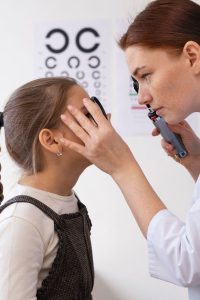
For infants and toddlers up to age 3, the American Optometric Association (AOA) recommends an initial comprehensive eye exam at 6 to 12 months, followed by another around age 3; this early screening detects congenital issues like lazy eye (amblyopia), congenital cataracts, or refractive errors that could impair development if missed, since a child’s visual system matures rapidly in these formative years, wiring 80% of brain-eye connections by age 5.
Healthy kids aged 3 to 5 should have at least one more checkup to ensure proper alignment, tracking, and focus, catching problems like strabismus (misaligned eyes) that affect depth perception and learning readiness.
School-aged children from 6 to 18 need exams every 1 to 2 years, ideally annually before starting school or if teachers report issues like difficulty reading the board; this phase coincides with heavy screen use, near-work demands from homework, and growth spurts that spike myopia (nearsightedness) rates—studies show 1 in 4 kids now develop myopia by adolescence, partly from reduced outdoor time, so optometrists monitor progression to prevent high myopia’s later risks like retinal detachment.

For young adults aged 20 to 39, who are often healthy with stable vision, baseline exams every 2 years suffice unless symptoms like headaches, blurred distance vision, or eye strain from 8+ hours of digital devices emerge; this demographic faces “digital eye strain” or computer vision syndrome, where uncorrected presbyopia precursors or dry eyes from low blink rates (down to 5-7 per minute vs. normal 15-20) can mimic fatigue, so exams assess for early astigmatism or hyperopia while prescribing blue-light filters or 20-20-20 breaks (every 20 minutes, look 20 feet away for 20 seconds). If you’re in a high-risk group—like a family history of glaucoma, diabetes, or working in dusty environments like construction in Nepal’s Terai region—annual checks are wiser, as silent thieves like early glaucoma (with no symptoms until 50% vision loss) can start young.


Entering your 40s marks a pivotal shift: presbyopia, the age-related loss of near focus due to lens stiffening, hits nearly everyone by 45, making reading glasses or progressives essential; the AOA advises exams every 1 to 2 years here to fine-tune prescriptions, detect dry eye from hormonal changes (especially in women perimenopausally), or spot subtle cataracts forming from UV exposure accumulated over decades—think of lifelong farmers or motorbike commuters without sunglasses.
By ages 40-54, systemic conditions creep in: hypertension affects 30% globally, damaging retinal vessels (hypertensive retinopathy), while diabetes (prevalent in South Asia at 10-15%) demands yearly dilated exams to catch non-proliferative changes before hemorrhages blind you. Lifestyles matter too—prolonged smartphone scrolling accelerates presbyopia onset, and smokers face 2-4x higher cataract risk, so tailor frequency: annual if at risk, biennial otherwise.
The 55-64 bracket intensifies vigilance; macular degeneration (AMD), the leading cause of blindness in this age, often begins asymptomatically with drusen deposits, while glaucoma prevalence jumps to 2-3%, silently eroding peripheral vision via optic nerve damage—elevated intraocular pressure (IOP) above 21 mmHg is a red flag, but normal-tension types lurk too. Annual comprehensive exams with tonometry, visual fields, and fundus photography become standard, especially post-60, when cataract surgery demand peaks (cloudy lenses reduce contrast by 50%).
For seniors 65 and older, yearly visits are non-negotiable: 1 in 3 have cataracts needing extraction, AMD affects 10-15% with wet forms bleeding unpredictably, and glaucoma hits 5-10%; plus, polypharmacy (multiple meds) causes side effects like blurred vision from antihistamines or blood pressure drugs. Frail elders risk falls from undiagnosed field loss, so exams include mobility assessments and low-vision aids like magnifiers.
Special populations override age norms: diabetics get annual dilated exams from diagnosis; high myopes (> -6.00D) or contact lens wearers need yearly checks for corneal warping (keratoconus); those with migraines, autoimmune diseases like rheumatoid arthritis, or even COVID-19 histories (linked to conjunctivitis or neuropathies) warrant more frequent monitoring.
In Nepal, where rural access lags and pollution in Butwal exacerbates allergies, cultural habits like rubbing eyes with unclean hands spread infections—aim for exams twice yearly if symptomatic.
Pregnancy alters needs too: hormonal dry eyes and gestational diabetes spike risks, so check at 1st trimester and postpartum. Why adhere? Early detection saves vision—glaucoma treatment halts progression 90% if caught soon, cataracts restore 20/40 vision post-surgery in 95% cases, and myopia control (atropine drops, orthokeratology) curbs elongation by 50% in kids. Skipping exams, courts regret: a 2023 WHO report notes 2.2 billion people have preventable vision impairment, mostly from uncorrected refractive errors or unmanaged diseases.
Make it routine like dental visits—book via apps, bring glasses/contacts, note symptoms/family history. For kids/teens, gamify with vision charts; adults, track changes via home Amsler grids for AMD. Consult your optometrist for personalized schedules, as guidelines from AOA, AAO, or Nepal Optometric Association align but flex for individuals. Prioritizing these checkups isn’t just maintenance—it’s investing in clearer sunrises and joyful festivals without strain.