
The Nepali Optometrist

How Often Eye Exams by Age?


Regular eye exams are a cornerstone of lifelong vision health, and understanding how often you should get them at different ages can empower you to stay ahead of potential issues before they escalate into serious problems. The frequency of eye exams isn’t one-size-fits-all—it evolves with your age, lifestyle, risk factors, and family history, as eyes undergo profound changes from infancy through seniority.

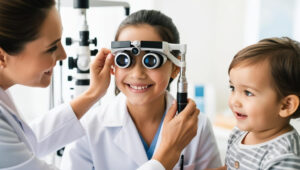
For infants and toddlers up to age 3, the American Optometric Association (AOA) recommends an initial comprehensive eye exam at 6 to 12 months, followed by another around age 3; this early screening detects congenital issues like lazy eye (amblyopia), congenital cataracts, or refractive errors that could impair development if missed, since a child’s visual system matures rapidly in these formative years, wiring 80% of brain-eye connections by age 5.

Healthy kids aged 3 to 5 should have at least one more checkup to ensure proper alignment, tracking, and focus, catching problems like strabismus (misaligned eyes) that affect depth perception and learning readiness.

School-aged children from 6 to 18 need exams every 1 to 2 years, ideally annually before starting school or if teachers report issues like difficulty reading the board; this phase coincides with heavy screen use, near-work demands from homework, and growth spurts that spike myopia (nearsightedness) rates—studies show 1 in 4 kids now develop myopia by adolescence, partly from reduced outdoor time, so optometrists monitor progression to prevent high myopia’s later risks like retinal detachment.

 

For young adults aged 20 to 39, who are often healthy with stable vision, baseline exams every 2 years suffice unless symptoms like headaches, blurred distance vision, or eye strain from 8+ hours of digital devices emerge; this demographic faces “digital eye strain” or computer vision syndrome, where uncorrected presbyopia precursors or dry eyes from low blink rates (down to 5-7 per minute vs. normal 15-20) can mimic fatigue, so exams assess for early astigmatism or hyperopia while prescribing blue-light filters or 20-20-20 breaks (every 20 minutes, look 20 feet away for 20 seconds). If you’re in a high-risk group—like a family history of glaucoma, diabetes, or working in dusty environments like construction in Nepal’s Terai region—annual checks are wiser, as silent thieves like early glaucoma (with no symptoms until 50% vision loss) can start young.


 

Entering your 40s marks a pivotal shift: presbyopia, the age-related loss of near focus due to lens stiffening, hits nearly everyone by 45, making reading glasses or progressives essential; the AOA advises exams every 1 to 2 years here to fine-tune prescriptions, detect dry eye from hormonal changes (especially in women perimenopausally), or spot subtle cataracts forming from UV exposure accumulated over decades—think of lifelong farmers or motorbike commuters without sunglasses.

By ages 40-54, systemic conditions creep in: hypertension affects 30% globally, damaging retinal vessels (hypertensive retinopathy), while diabetes (prevalent in South Asia at 10-15%) demands yearly dilated exams to catch non-proliferative changes before hemorrhages blind you. Lifestyles matter too—prolonged smartphone scrolling accelerates presbyopia onset, and smokers face 2-4x higher cataract risk, so tailor frequency: annual if at risk, biennial otherwise.

The 55-64 bracket intensifies vigilance; macular degeneration (AMD), the leading cause of blindness in this age, often begins asymptomatically with drusen deposits, while glaucoma prevalence jumps to 2-3%, silently eroding peripheral vision via optic nerve damage—elevated intraocular pressure (IOP) above 21 mmHg is a red flag, but normal-tension types lurk too. Annual comprehensive exams with tonometry, visual fields, and fundus photography become standard, especially post-60, when cataract surgery demand peaks (cloudy lenses reduce contrast by 50%).

For seniors 65 and older, yearly visits are non-negotiable: 1 in 3 have cataracts needing extraction, AMD affects 10-15% with wet forms bleeding unpredictably, and glaucoma hits 5-10%; plus, polypharmacy (multiple meds) causes side effects like blurred vision from antihistamines or blood pressure drugs. Frail elders risk falls from undiagnosed field loss, so exams include mobility assessments and low-vision aids like magnifiers.

Special populations override age norms: diabetics get annual dilated exams from diagnosis; high myopes (> -6.00D) or contact lens wearers need yearly checks for corneal warping (keratoconus); those with migraines, autoimmune diseases like rheumatoid arthritis, or even COVID-19 histories (linked to conjunctivitis or neuropathies) warrant more frequent monitoring.


In Nepal, where rural access lags and pollution in Butwal exacerbates allergies, cultural habits like rubbing eyes with unclean hands spread infections—aim for exams twice yearly if symptomatic.

Pregnancy alters needs too: hormonal dry eyes and gestational diabetes spike risks, so check at 1st trimester and postpartum. Why adhere? Early detection saves vision—glaucoma treatment halts progression 90% if caught soon, cataracts restore 20/40 vision post-surgery in 95% cases, and myopia control (atropine drops, orthokeratology) curbs elongation by 50% in kids. Skipping exams, courts regret: a 2023 WHO report notes 2.2 billion people have preventable vision impairment, mostly from uncorrected refractive errors or unmanaged diseases.

Make it routine like dental visits—book via apps, bring glasses/contacts, note symptoms/family history. For kids/teens, gamify with vision charts; adults, track changes via home Amsler grids for AMD. Consult your optometrist for personalized schedules, as guidelines from AOA, AAO, or Nepal Optometric Association align but flex for individuals. Prioritizing these checkups isn’t just maintenance—it’s investing in clearer sunrises and joyful festivals without strain.

Importance Of Regular Eye Exam!

Our eyes help to see the world clearly with vivid colors. Regular eye examination is crucial because it provides vision correction with glasses and helps to discover any underlying eye conditions that might be slowly progressive or progressive over time.

Our eyes are often considered one of our most valuable senses, enabling us to experience and interact with the world. From reading and driving to appreciating the beauty of nature, healthy vision is critical to performing daily tasks. However, many individuals neglect the importance of regular eye exams, often only seeking help when problems arise. What many don’t realize is that routine eye examinations are not only important for maintaining good vision but also for overall health and well-being.

This article will explore the significance of regular eye exams, their benefits, and why people should prioritize them.

1. Early Detection of Vision Problems

Regular eye examinations are crucial for the early detection of various vision problems. Many eye conditions develop gradually over time, such as nearsightedness (myopia), farsightedness (hyperopia), and astigmatism. People often adapt to slight changes in their vision without realizing the severity of the problem. A comprehensive eye exam performed by an optometrist or ophthalmologist can identify these issues before they worsen, allowing for early intervention. This early detection is key to preserving optimal vision and preventing permanent damage.

2. Prevention and Management of Eye Diseases

Some eye diseases, such as glaucoma, cataracts, and age-related macular degeneration (AMD), often have no early symptoms, making them difficult to detect without regular eye exams. Glaucoma, for example, can cause gradual loss of peripheral vision and may lead to blindness if left untreated. A comprehensive eye exam can identify early signs of these diseases, enabling timely treatment to prevent further vision loss.

Cataracts, which cause clouding of the lens in the eye, typically develop slowly over time. Though cataract surgery is a highly effective treatment, early detection can help reduce complications and improve long-term outcomes. Similarly, age-related macular degeneration (AMD) affects the central vision and is a leading cause of vision loss in older adults. Regular eye exams can help catch AMD early, providing more options for managing the disease and slowing its progression.

3. Identifying Systemic Health Issues

Eye exams can also provide critical insight into a person’s overall health. The blood vessels in the eyes can reveal signs of systemic conditions such as diabetes, high blood pressure (hypertension), and even some types of cancer. For instance, diabetic retinopathy, a condition caused by high blood sugar levels, can lead to vision impairment and blindness. An eye exam can detect the early stages of diabetic retinopathy, allowing individuals to manage their blood sugar levels and prevent further damage.

Similarly, hypertension can cause changes to the blood vessels in the retina, leading to vision problems. An eye care professional can detect signs of hypertensive retinopathy, prompting individuals to seek treatment for their high blood pressure. Additionally, conditions like brain tumors or strokes can sometimes manifest in changes to the eye, which an optometrist or ophthalmologist might notice during an exam.

4. Enhancing Quality of Life

Good vision is essential for performing everyday tasks, and regular eye exams are key to ensuring that your vision remains clear and healthy. For individuals who rely on glasses or contact lenses, eye exams ensure that prescriptions remain up-to-date. Even slight vision changes can significantly impact an individual’s ability to read, drive, or use a computer. Routine exams help correct these changes, contributing to a better quality of life.

Moreover, regular eye exams can also help prevent visual fatigue and discomfort associated with conditions like digital eye strain. With the increasing use of screens in daily life, eye exams can assess whether adjustments to eyewear or lifestyle habits are needed to reduce strain on the eyes. Early detection of issues such as dry eyes or computer vision syndrome can lead to preventive strategies that minimize discomfort.

5. Screening for Pediatric Eye Conditions

Children, in particular, can benefit significantly from early eye exams. Many children may have vision problems that go unnoticed because they have not yet developed the ability to articulate what they are experiencing. Conditions like amblyopia (lazy eye), strabismus (crossed eyes), or refractive errors can develop during childhood, potentially leading to long-term vision problems if not addressed promptly.

Early eye exams can detect these conditions, enabling timely intervention to prevent further complications. Pediatric eye exams are typically recommended at various stages of a child’s development, including during infancy, at age three, and again before starting school. By identifying and treating vision issues early, children can have a better chance of achieving normal visual development, which is essential for their academic performance and overall well-being.

6. Preventing Accidents and Injuries

Many individuals don’t realize how much their vision affects their safety. Poor vision can increase the risk of accidents, whether it’s tripping over obstacles, struggling to read road signs, or misjudging distances while driving. Routine eye exams can identify vision deficiencies such as uncorrected refractive errors, poor depth perception, or poor night vision. By addressing these issues, individuals can improve their ability to navigate the world safely, reducing the likelihood of accidents and injuries.

In particular, older adults, who are at higher risk for vision-related accidents, benefit greatly from regular eye exams. Falls are one of the leading causes of injury in seniors, and visual impairment is a significant risk factor. By maintaining good vision, older adults can increase their independence and maintain their safety

7. Maintaining Vision Health in the Long Term

As we age, our risk of developing age-related eye conditions increases. For individuals over the age of 40, it becomes especially important to schedule regular eye exams to monitor for vision changes and detect diseases that are more common in older adults. Conditions such as presbyopia (difficulty focusing on near objects), glaucoma, cataracts, and AMD are all more prevalent in older individuals. Regular eye exams help track these conditions and ensure that they are managed properly, helping to preserve vision well into the later years of life.

8. Peace of Mind

Finally, regular eye exams offer peace of mind. Knowing that your eyes are healthy and that any issues are being monitored can alleviate anxiety. For those with a family history of eye diseases or systemic conditions that affect the eyes, such as glaucoma or diabetes, regular eye exams provide reassurance and ensure that any potential problems are caught early.

Conclusion

In summary, regular eye exams are essential for maintaining good vision, preventing eye diseases, and promoting overall health. Through early detection, timely treatment, and the identification of systemic health issues, routine eye exams can significantly improve a person’s quality of life. They also play a vital role in enhancing safety, particularly for children and seniors. While many people tend to ignore or delay eye exams, doing so can have serious consequences for both vision and general health. By prioritizing regular eye checkups, individuals can protect their vision, detect potential health issues, and enjoy a high quality of life for years to come.

Optometry and Optometrist

OPTOMETRY word is derived from a Greek word “opsis- view” and “metron– something used to measure or rule“. The word ‘OPTO’ is shortened form derived from a Greek word ophthalmos meaning  ‘EYE’. Optometry is a branch of healthcare focused on the examination, diagnosis, and treatment of disorders and diseases related to the eyes and visual system.
OPTOMETRISTS are the health care professionals who provide the primary healthcare through  comprehensive eye examinations. They evaluate the visual system, its defects and abnormalities as well as correction of refractive errors by the means of glasses, contact lenses etc. and help in the treatment of different eye disease. Optometrists also play a crucial role in detecting systemic health conditions that may manifest symptoms in the eyes, such as diabetes or hypertension.

When was it started?

The origins of optometry can be traced back to ancient civilizations where rudimentary forms of vision care and eye examination were practiced. However, modern optometry as a distinct profession with standardized practices began to emerge in the late 19th and early 20th centuries.

The first optometry school, the Pennsylvania College of Optometry, was founded in 1919, marking a significant milestone in the formalization of optometric education. Prior to this, opticians and ophthalmologists often performed the roles that optometrists do today, but there was a growing recognition of the need for specialized training in vision care.

Since then, optometry has evolved considerably, with advancements in diagnostic technologies, treatment modalities, and expanded scopes of practice. Today, optometrists play a crucial role in primary eye care and are essential members of the healthcare team, providing comprehensive vision and eye health services to people of all ages.

World Optometry Day was started in 1986 by the International Optometric and Optical League to celebrate the growing profession of optometry in the world.

Roles Of An Optometrist

Optometrists play several important roles in providing eye and vision care to individuals of all ages. Some of the key roles of an optometrist include:

1. Primary Eye Care Provider: Optometrists serve as primary eye care providers, performing comprehensive eye examinations to assess visual acuity, refractive errors, and the overall health of the eyes. They diagnose and treat common vision problems such as nearsightedness, farsightedness, and astigmatism.

2. Prescribing Corrective Lenses: Optometrists prescribe eyeglasses and contact lenses to correct refractive errors and improve visual acuity. They determine the appropriate lens power and design based on the individual’s prescription and lifestyle needs.

3. Diagnosing and Managing Eye Diseases: Optometrists are trained to diagnose and manage various eye diseases and conditions, including glaucoma, diabetic retinopathy, macular degeneration, cataracts, and dry eye syndrome. They may perform diagnostic tests, such as tonometry, visual field testing, and retinal imaging, to detect and monitor eye diseases.

4. Providing Vision Therapy: Optometrists may offer vision therapy to individuals with binocular vision disorders, amblyopia (lazy eye), and other visual dysfunctions. Vision therapy involves structured exercises and activities designed to improve visual skills, eye coordination, and perception.

5. Treating Eye Injuries and Emergencies: Optometrists provide emergency eye care services for patients who experience eye injuries, infections, or sudden changes in vision. They can evaluate the extent of the injury or condition, administer appropriate treatments, and refer patients to specialists if needed.

6. Managing Pediatric Eye Care: Optometrists specialize in pediatric optometry, providing comprehensive eye care services for infants, children, and adolescents. They assess visual development, screen for vision problems, and address issues such as lazy eye, strabismus (eye misalignment), and learning-related vision problems.

7. Co-Managing with Other Healthcare Professionals: Optometrists collaborate with other healthcare providers, including ophthalmologists, primary care physicians, pediatricians, and specialists, to ensure comprehensive patient care. They may refer patients to other specialists for advanced treatments or surgical interventions as needed.

8. Promoting Eye Health and Education: Optometrists play a crucial role in educating patients about proper eye care practices, including the importance of regular eye examinations, wearing protective eyewear, and maintaining overall eye health. They also raise awareness about common eye conditions and the importance of early detection and treatment.

Overall, optometrists are highly trained healthcare professionals dedicated to preserving and enhancing the vision and eye health of their patients through comprehensive eye care services, preventive measures, and patient education.

Optometry As A Profession

Optometry is a respected and essential profession within the healthcare field that focuses on the examination, diagnosis, and management of vision and eye health. Here are some key aspects that define optometry as a profession:

1. Primary Eye Care: Optometrists are often the first point of contact for individuals seeking eye care. They provide primary eye care services, including comprehensive eye examinations, vision correction with eyeglasses or contact lenses, and the diagnosis and management of common eye conditions.

2. Specialized Training: Optometrists undergo extensive education and training to obtain a Doctor of Optometry (OD) degree and/or Bachelors Of Optometry. This involves four years of undergraduate study followed by four years of optometry school. During their training, optometry students learn about ocular anatomy and physiology, optics, visual perception, eye diseases, and clinical skills necessary for providing eye care.

3. Scope of Practice: Optometrists have a broad scope of practice that encompasses various aspects of eye and vision care. They are licensed healthcare professionals who can perform eye examinations, prescribe corrective lenses, diagnose and treat eye diseases, and provide pre- and post-operative care for certain eye surgeries.

4. Patient-Centered Care: Optometrists are committed to providing personalized and patient-centered care. They take into account each patient’s unique visual needs, lifestyle factors, and overall health when making recommendations for vision correction or treatment.

5. Advancements in Technology: Optometry is a dynamic profession that continually incorporates advancements in technology to enhance patient care. Optometrists utilize state-of-the-art diagnostic tools and imaging techniques to accurately assess vision and detect eye diseases at an early stage.

6. Interdisciplinary Collaboration: Optometrists often collaborate with other healthcare professionals, including ophthalmologists, primary care physicians, pediatricians, and opticians, to ensure comprehensive patient care. They may refer patients to specialists for advanced treatments or surgical interventions when necessary.

7. Community Engagement: Optometrists play an active role in promoting eye health and raising awareness about the importance of regular eye examinations and preventive measures. They may participate in community outreach programs, school vision screenings, and public health initiatives to address vision-related issues within the community.

Overall, optometry is a fulfilling and rewarding profession that allows practitioners to make a meaningful impact on the lives of their patients by preserving and enhancing their vision and eye health. Also,

Optometry has been positioned 2nd best profession by the US News and World Report Jan 05, 2006
Optometry is reckoned as ‘excellent’ in a guide to careers by the US News and World Report March 19, 2007
Optometry appraised as one of ‘Best Careers 2008’ by US News and World Report Dec 19, 2007